

Transforming the caregiver experience at scale.
Client
Gordie Howe CARES
Sector
Non-Profit
Offering
Digital Transformation
When people hear the name Gordie Howe, they immediately think of one of the greatest hockey players in history. Known affectionately as "Mr. Hockey," Gordie's legacy was built on perseverance, humility, and an unwavering commitment to those around him. His impact extended far beyond the rink, touching generations of Canadians through his character as much as his accomplishments.
But for the Howe family, another story emerged later in life—one shared by millions of families across Canada. It was a story about caregiving, navigating cognitive decline, and the challenges families face when supporting a loved one living with Alzheimer's disease or another dementia.
Recognizing the growing need to support caregivers, Gordie Howe CARES set out with an ambitious vision: to create a resource that would ensure caregivers never felt alone in their journey. They believed that caregivers deserved more than information. They deserved understanding, dignity, education, and practical support designed around the realities of their everyday lives.
To help bring that vision to life, Gordie Howe CARES partnered with J5 Design.
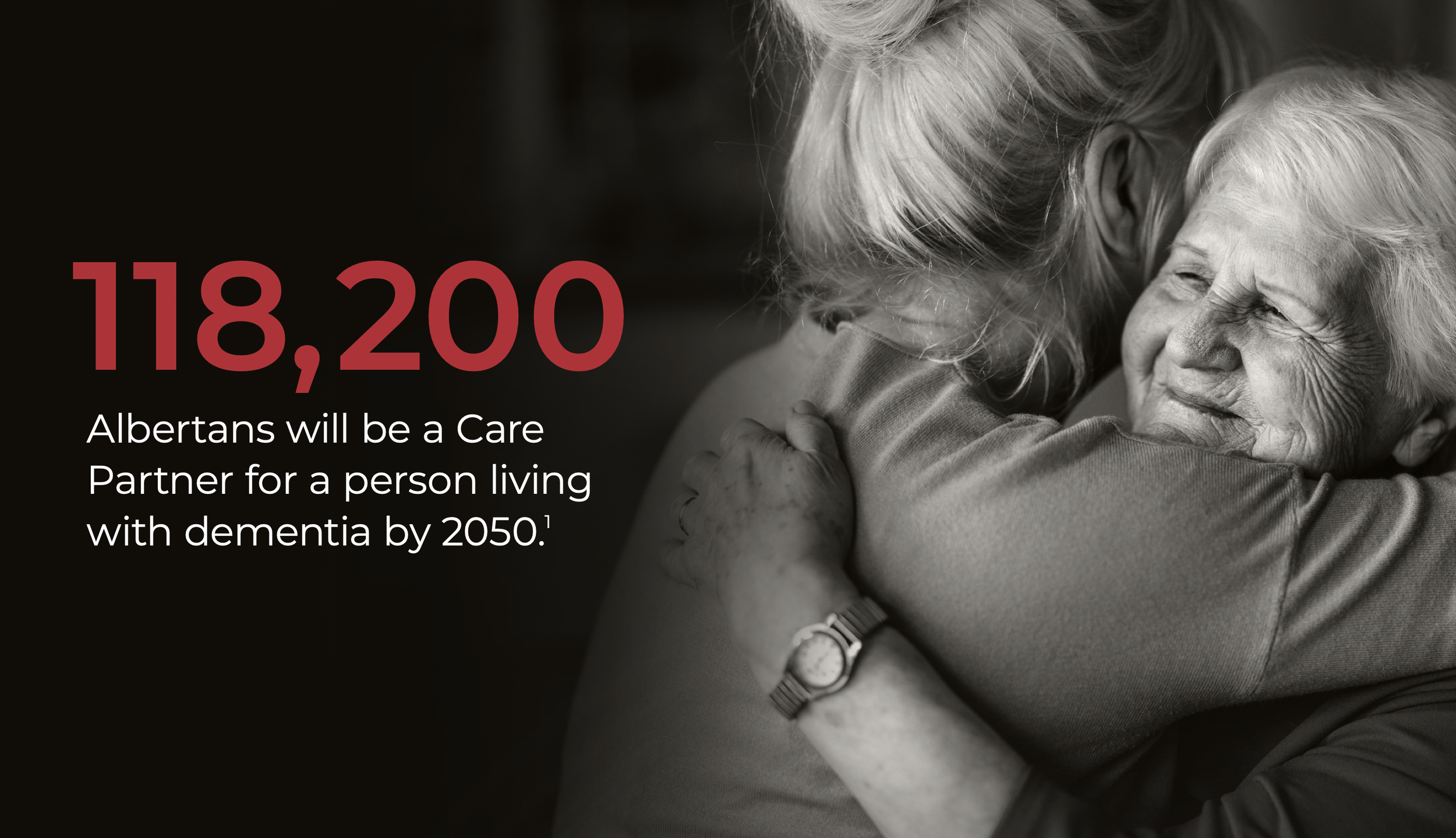
Across Canada, more than 8 million people provide unpaid care to a family member, friend, or neighbour. As Canada's population ages, that number is expected to grow significantly over the coming decades. Many caregivers provide care equivalent to a part-time or full-time job while receiving little training, support, or financial assistance. The impact extends far beyond individual families.
Communities
Caregivers help older adults remain independent, connected, and living in their homes longer. Without them, demand for long-term care, emergency departments, and community services would increase dramatically. Caregivers are often the invisible social infrastructure that allows communities to function.
Businesses
Millions of working Canadians are balancing employment with caregiving responsibilities. Many reduce their hours, decline promotions, take leaves of absence, or leave the workforce entirely due to caregiving demands. This creates significant challenges for employers, including increased absenteeism, reduced productivity, employee burnout, and talent retention issues. As the workforce ages, more organizations are recognizing caregiving as both a health issue and a workplace issue.
Healthcare Systems
Healthcare systems increasingly rely on family caregivers to coordinate and deliver care outside hospitals and clinics. As hospitals focus on shorter stays and more care shifts into homes and communities, caregivers are being asked to take on more complex responsibilities than ever before. Yet many report feeling overwhelmed, isolated, and unsure where to turn for help.
In Alberta and across Canada, healthcare systems are already facing growing pressures from aging populations, workforce shortages, and increasing demand for services. Supporting caregivers is one of the most effective ways to improve quality of life for patients while reducing strain on hospitals, emergency departments, and long-term care facilities.
Over the past five years, J5 has worked alongside Gordie Howe CARES as its innovation partner, helping to shape strategies, caregiver experiences, and build new models of care. Together, we have spent time listening directly to caregivers, healthcare professionals, community organizations, and people living with dementia to better understand the realities they face every day. These conversations revealed a consistent truth: caregivers are one of the most important, yet least supported, parts of our healthcare system.
J5's role has been to help Gordie Howe CARES move beyond awareness and into action. Together, we have worked to understand caregiver journeys, identify unmet needs, prototype new services, and build experiences that make it easier for caregivers to find support when they need it most.
This video reflects one of J5's core strengths: helping people see and feel the challenges that others experience every day. Through storytelling, visual design, and human-centered research, we create experiences that move beyond facts and statistics to reveal the emotions, frustrations, hopes, and realities that often sit beneath the surface of complex issues.
At J5, we believe meaningful change begins when people develop a deeper understanding of the individuals they serve. Our videos are designed to bring those experiences to life, making challenges tangible and relatable in ways that inspire action. By combining real stories, compelling visuals, and clear calls to action, we help organizations create the empathy, urgency, and shared understanding needed to align stakeholders, build momentum, and drive collaboration.

What we did
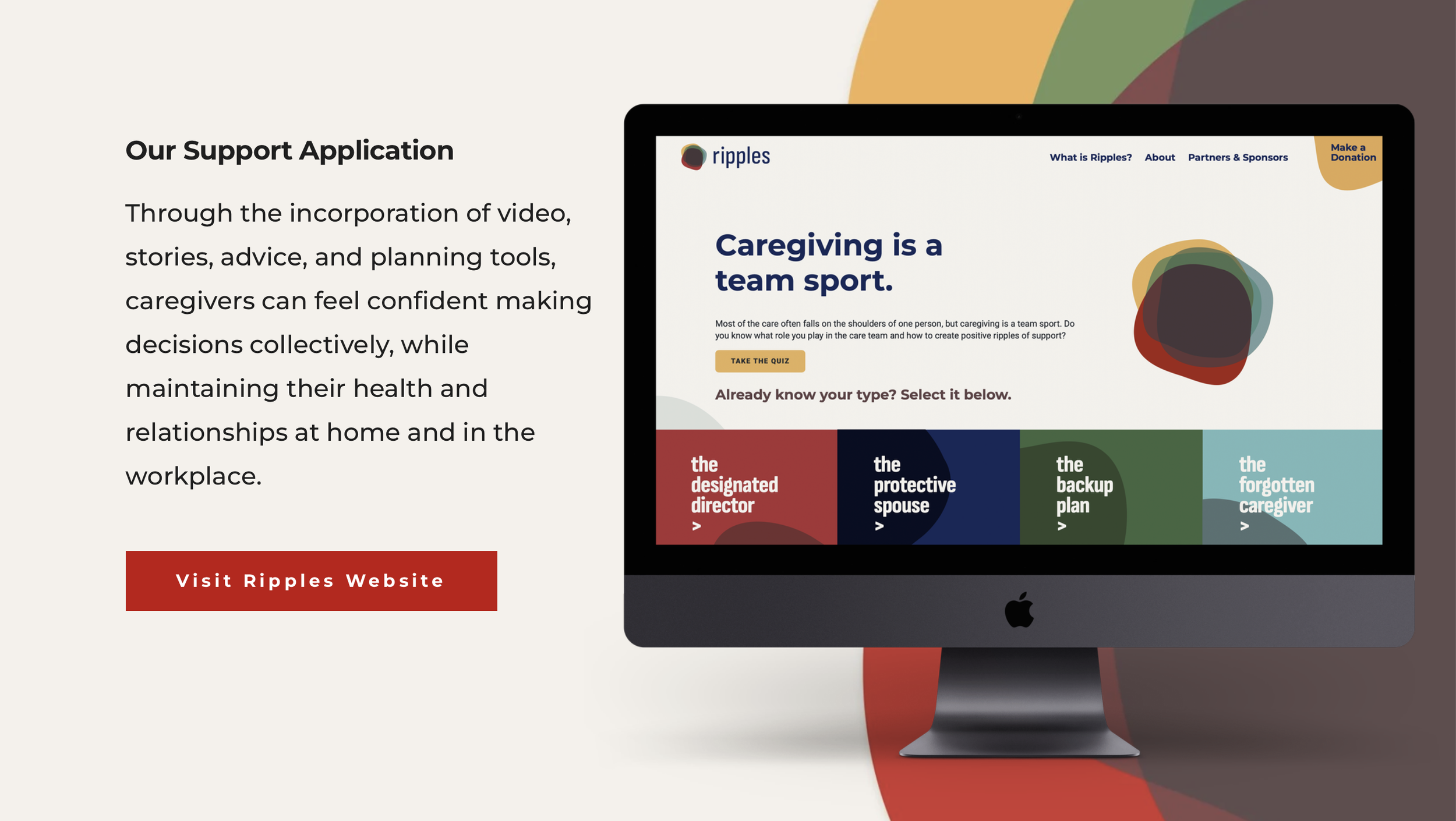
Working alongside Gordie Howe CARES, J5 designed and built Ripples of Care, a digital platform created to help caregivers better understand their role, access support, and strengthen the network of people around them. The platform was developed through extensive engagement with caregivers, care partners, healthcare professionals, researchers, and community organizations to better understand the realities of caring for someone living with Alzheimer's disease or another dementia.
The challenge we discovered was that most caregiver resources are designed for a single "primary caregiver." The reality is much more complex. Caregiving is rarely carried by one person alone. It affects spouses, adult children, grandchildren, friends, neighbours, coworkers, and entire families. In fact, for every person diagnosed with dementia, an estimated 10 to 12 other people are directly impacted.
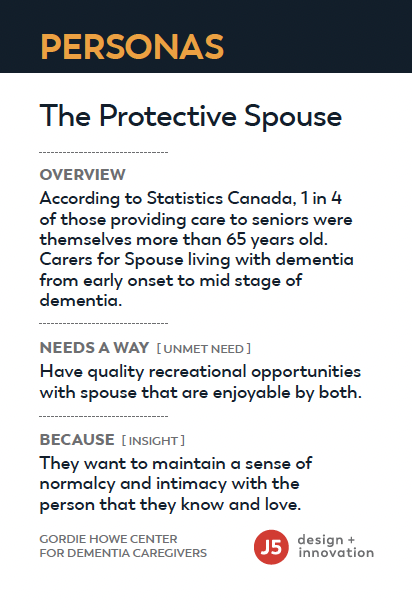
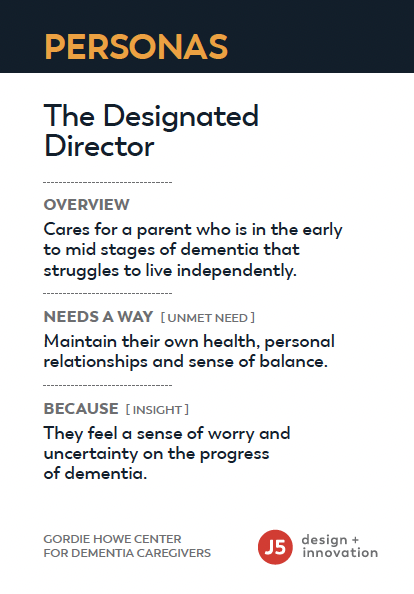
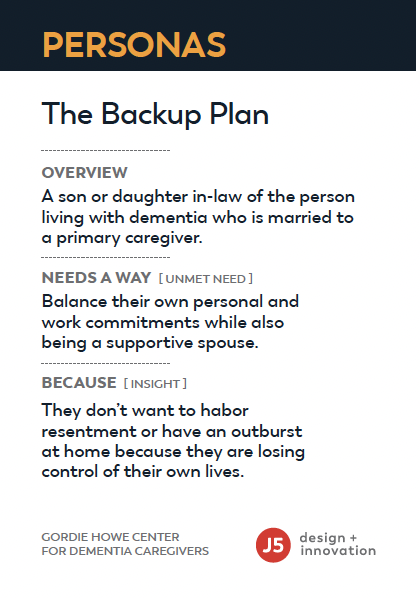
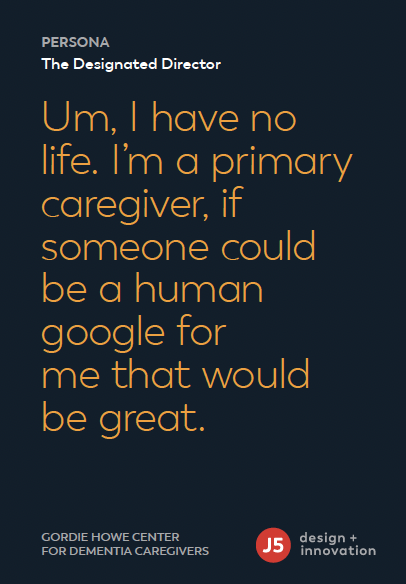
Rather than creating another information website, J5 approached the problem with creativity and empathy. Through research with hundreds of caregivers, our team identified seven distinct caregiver archetypes, each with different needs, responsibilities, emotions, and support requirements. The platform begins with an assessment that helps people identify the role they currently play within a care team and then provides personalized guidance based on that role.
The experience was intentionally designed to help people answer questions such as:
What role do I play within my family's care team?
What challenges am I likely to face?
How can I support myself while supporting someone else?
How can other people around me contribute more effectively?
Where can I find trusted advice and resources?
This image illustrates the complexity of designing an airport experience that works for everyone. It depicts a diverse range of passengers navigating the airport, including people with mobility challenges, families with young children, older adults, individuals with sensory sensitivities, travelers with luggage, and those requiring language or wayfinding support.
Insights driving the design
From a design perspective, Ripples represents a digital intervention aimed at changing how people think about caregiving.
The platform is built around a simple but powerful idea: caregiving is a team sport. When people can identify their role, understand the roles of others, and coordinate support more intentionally, the burden placed on any one individual decreases.
By helping caregivers recognize opportunities for small acts of support, Ripples creates positive "ripples" that extend outward across families, workplaces, and communities. These small behavioural changes can improve resilience, reduce caregiver burnout, strengthen relationships, and ultimately help people remain healthier throughout the caregiving journey
Impact
When the Calgary Airport was preparing to open a new terminal for international travel, there was an opportunity to match their new, world class facility with a world class passenger experience. Traveling can be a stressful, and the Calgary Airport Authority wanted to change that, creating a process that made travel easy, from finding a parking spot, to getting through security and customs, to navigating gates.
This bold vision was matched with an equally bold timeline. The building had already been delayed, and it was critical for the terminal to open on time. That meant that the 5000+ employees would need to be able to work with new technologies, new processes, and new systems, all in a new building. J5 supported this large-scale change over 13 months, across 21 major projects in 4 different portfolios, orchestrating Agile delivery at an impressive magnitude.
The solution
Airports are places of connection where tearful goodbyes, joyful reunions, and the anticipation of new adventures converge. Yet, the practical realities of travel can overshadow these meaningful moments. Anxiety over long security lines or confusing wayfinding can take away from the things that make travel memorable. When Calgary Airport opened its international terminal, they invested in the things that mattered most for travellers, excitement, relaxation, and human connection.